

The Philosophy :
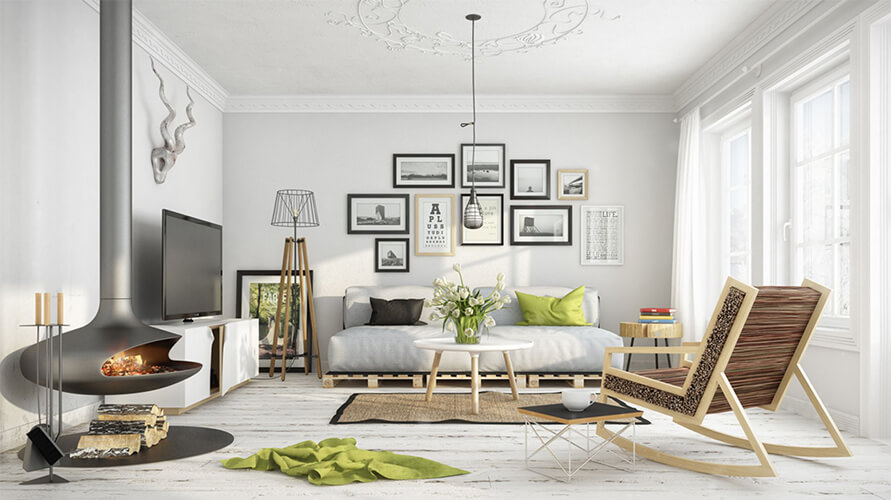
The Scandinavian interior design philosophy is minimalism, simplicity, and functionality. The minimalist philosophy emphasized clean lines and simple designs that were inspired by nature and climate to create the Nordic design.
Although the Scandinavian design has been around since the 1950s, it still remains a popular trend in interior design today.

Scandinavian design characterized by a focus on functionalism and simplicity. It also includes the use of natural materials, such as leather, wood, and hemp. Furthermore, a Scandinavian interior design is often influenced by a connection to nature, which combines natural shapes, abstraction, and the use of natural elements.
Origin and Development :
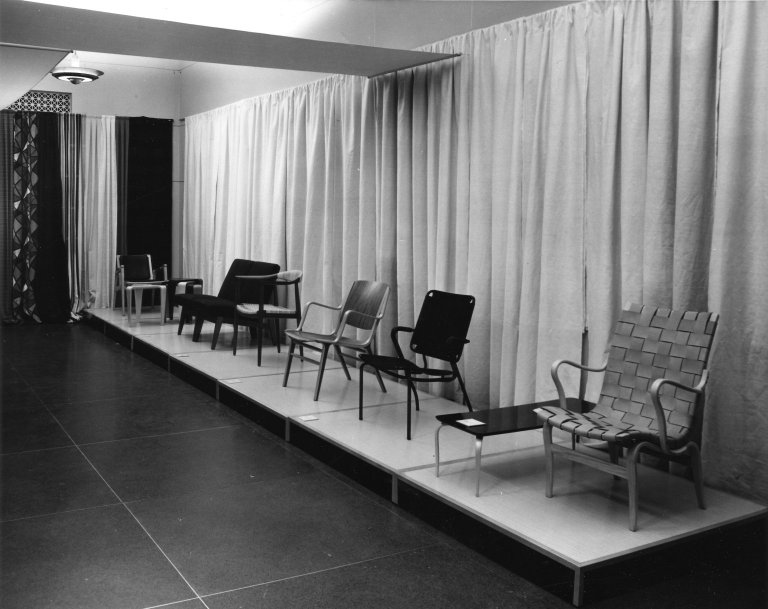
The minimalist style of Scandinavian design emerged during the 1930s within the five Nordic countries of Denmark, Finland, Iceland, Norway and Sweden. The term “Scandinavian design” originated from a design show with the same name that traveled through the United States and Canada between 1954 and 1957. It promoted simplistic ways of living and showcased various works by Nordic designers.

Exhibitions showcasing Scandinavian design during the 1950s played an important role in the influence of these design principles in Europe and North America.
Within the golden age of Scandinavian design from the 1930s to the 1970s, there were a number of prominent furniture designers that had a huge impact on design philosophy and style.

Founders of Scandinavian philosophy and style, their influence on modern design is still evident today in areas like San Francisco and San Mateo . The brilliant Scandinavian designers who rewrote history with their innovative designs include Alvar Aalto; Poul Henningsen ; Arne Jacobsen; Borge Mogensen; Verner Panton; Hans J. Wegner; and Maija Isola.
This thinking reflected the growth of social democracy in Sweden and other Scandinavian countries over the same (post war) period, in addition to the availability of mass-produced low-cost materials and mechanisation of production. Scandinavian design made full use of pressed wood, plastics, anodized or enamelled aluminium and pressed steel.
The signature elements that came to define the Nordic style—minimalist white walls, wood floors, and modern furniture.
Wood plays a significant role in Scandinavian style. It is used for floors, walls, furniture, lighting and accessories. But also natural fabrics create a feel-good atmosphere with their light shades in the Skandi style.

Scandinavian design continues to be a leading source of inspiration for interior design.
Below, explore the signature characteristics of the movement and uncover quintessential Scandinavian designs — whether it be Hans Wegner‘s Wishbone Chair or Poul Henningsen’s iconic pendant lighting.

Key characteristics of the style :
The mid-century life in the region was primarily responsible for shaping Scandinavian design. Long, harsh winters with very few hours of daylight kept people indoors for many months and shaped the Nordic look. Besides, most people lived in small houses, an explanation for the Scandinavian minimalist style . Therefore, it was imperative to make homes feel cozy yet airy, with every object in it reflecting as much ambient light as possible, the main features of the modern Scandinavian style.

The Scandinavian style is characterized by the seasons in the north, where the days in winter are very short. This results in the need to create warmth and comfort in this wintry environment.
The Scandinavian style originates from Nordic roots and expresses a soft, muted interior palate. This style is most characterized by an elegant and sophisticated look. The overall impression is modern yet minimal. The Scandinavian style shies away from the richness and intricacies of traditional styles and focuses more on the contemporary elements. An ideal Scandinavian interior stems from a focus on functionality, pragmatism and clean, minimal aesthetic. It strives to be as straightforward and as clutter free as possible.
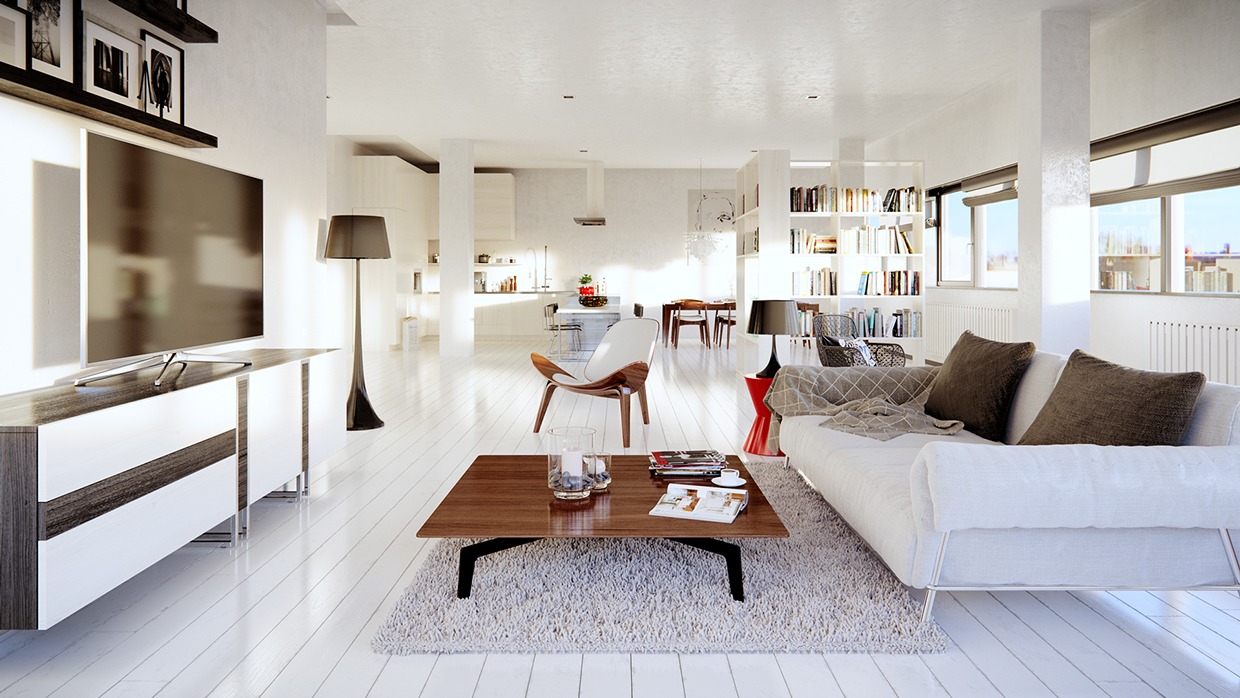
The 1990’s saw a huge rise in popularity of SCANDINAVIAN DESIGN, when designers began creating bold, unique statement pieces as individual units of design.
Scandinavian interiors are a balance of functionality and aesthetics.
Scandinavian style is characterized by three key components – functionality, simplicity and beauty.
Although simple in design, clean lines are often incorporated with understated elegance and warm functionality, which creates a very homely feel.”

The environment in the Nordic countries was largely responsible for the design that evolved. Winters were long, meaning there was little daylight, and people often had very small houses, causing the need for bright and airy, yet cosy, homes.
Scandinavian interior design uses a blend of textures, contrasts, and soft hues to make sleek, modern furniture feel warm and inviting. It’s no small feat to be able to exercise restraint in your décor choices while still managing to make a space feel cozy.
Scandinavian interior design is known for its minimalist color palettes, cozy accents, and striking modern furniture. Designs often play with natural light—which is a hot commodity in Nordic countries.

Its relative simplicity makes the Scandinavian style a design darling of the contemporary world. Below, we will be observing several elements that make up the Scandinavian style.
Not everything has to match, and many homes mix vintage and traditional elements with the notorious simple and clean lines that we all know and love.

https://www.facebook.com/ArchitectureInteriorDesignStudio/
 Tanya Decor