

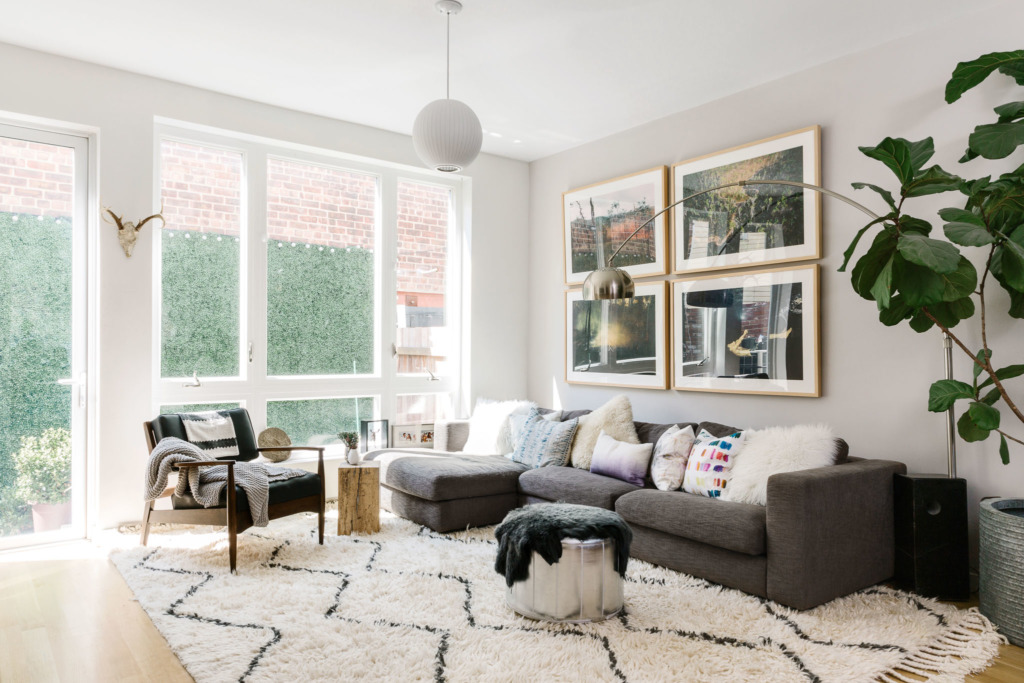
Scandinavian interiors are a balance of functionality and aesthetics.
Scandinavian style is characterized by three key components – functionality, simplicity and beauty.
5 Design Element :
1 ) LIGHT :
Lighting is used is very important in a Scandinavian interior design. Lighting is considered a life source and the Scandinavian decor should have different forms of lighting to provide adequate illumination in the entire space.
Natural lighting is used to make a space feel bigger and brighter. The spaces are designed with large windows that let in an ample amount of natural light.
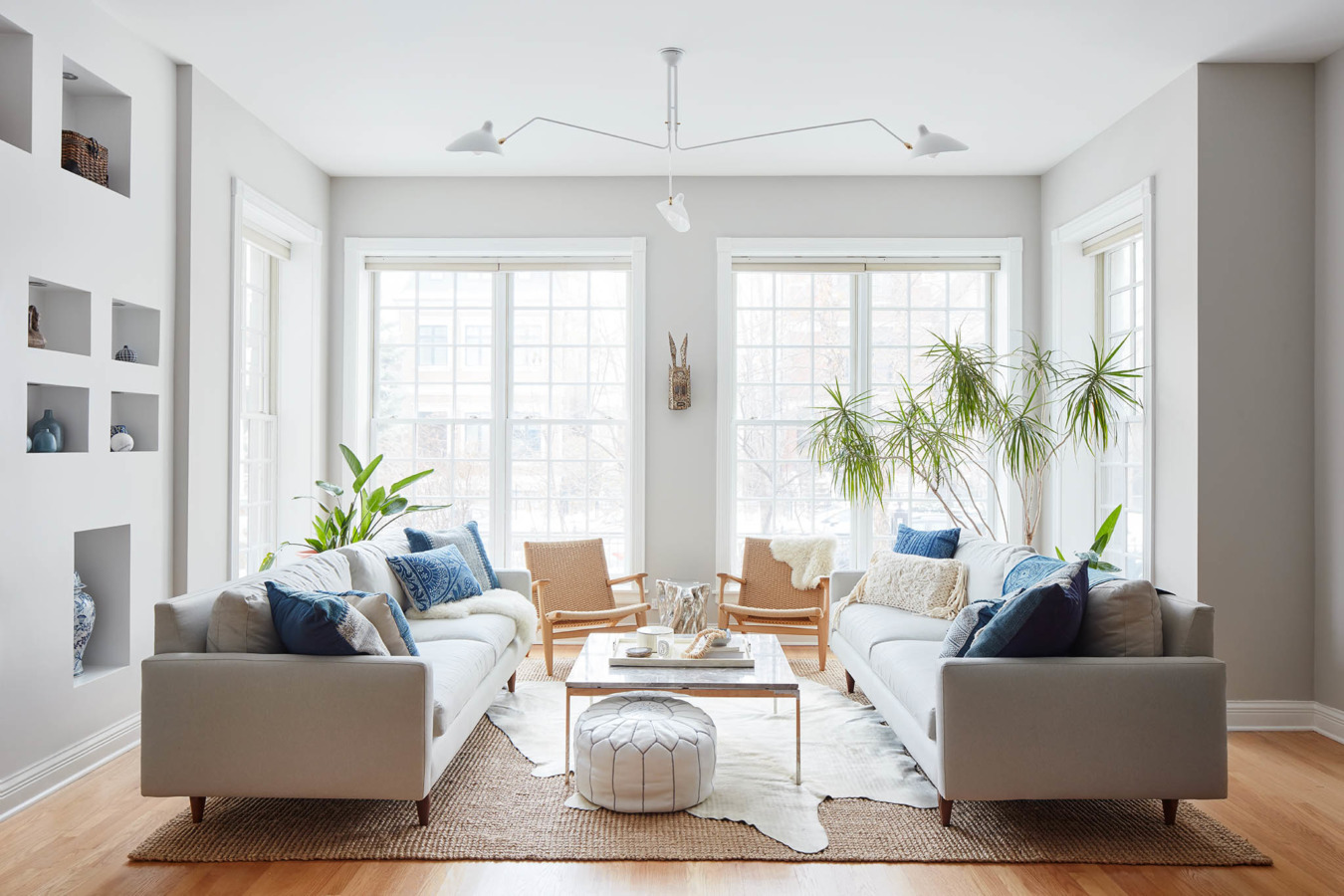
In Scandinavian countries, a large portion of the year is dark. That why Nordic people have adapted in a beautiful way by putting a focus on natural light.
Scandinavian homes often feature large windows to make the room feel bright and open.Windows free from obstructions and white curtains. Allowing the light from outside. A place where no artificial lighting is needed throughout the day.
Table and floor lamps are also regularly used to set the mood. More commonly, minimalist light fixtures are used.

Accessories can also help bring brightness to the room, such as use of large mirrors to reflect natural light.
2) FORM & FUNCTION – Straight Lines :
One of the basic concepts of a good Scandinavian style interior is a focus on the workability of the layout or plan. This functionality makes this style a very pragmatic yet visually desirable.
The design style puts a huge emphasis on efficient use of space, making maximum use of any awkward spots. It works well with small spaces due to the inherent simplicity of Nordic style, with white as a predominant colour and an avoidance of unnecessary accessories.

It’s common to see multi-leveled wall shelving in a Scandinavian living room. These storage spaces are innovative and space-savvy and add visual interest to the space.
Scandinavian design, clean lines should be evident. Tables, chairs, sofas, and the rest of the Scandinavian decor should have a modern touch with smooth and rounded edges.
All the basic elements of this style – furniture, windows, and product designs – are carried out in clean cut, straight forward lines.
3) COLOUR PALETTE – Neutral Color :
The colour palette is typically very light and simple. Neutrals – with bright white being the star – dominate the Scandinavian design. Preference for sober colors doesn’t, however, mean that Scandinavian design is devoid of vibrancy and vitality.
Scandinavian design often boasts a neutral-heavy color palette. Because winters are long and dark in Northern Europe, Nordic design utilizes whites, greys, and tans to make a space feel uniform and bright. Often, accents of blue and other bold colors are incorporated loosely throughout.
These calm colors make rooms appear bright and spacious even on a dreary day, an important interior decorating tip for recreating the original Nordic ambiance.
There’s a particular color palette that’s associated with the Scandinavian decor and this includes the hues of grays, whites, browns, and blacks.
White is also a great blank slate to introduce any colour combination, from soft pastels to black accents. Cool whites work well in south-facing rooms since they receive the best of the warm, summer daylight. Warmer whites, on the other hand, work well to warm up north-facing rooms, since they receive lower levels of cooler, natural light.

Greys can also be used to create a beautiful, serene interior. When deciding on warm or cool shades of this neutral, look to the same rules for white – cool for south-facing rooms and warm for north-facing rooms.
4) TEXTURE & MATERIALS :
Mixing textures and materials, such as unfinished wood pieces, fur rugs, and soft linens, brings nature into the home, adding that restful vibe that the decor is so famous for.
Scandinavians believe in celebrating nature even when inside their homes. That’s why natural wood is a predominant feature of Scandinavian interiors characteristics. Wood is the preferred choice not only for the Nordic furniture but also of flooring.
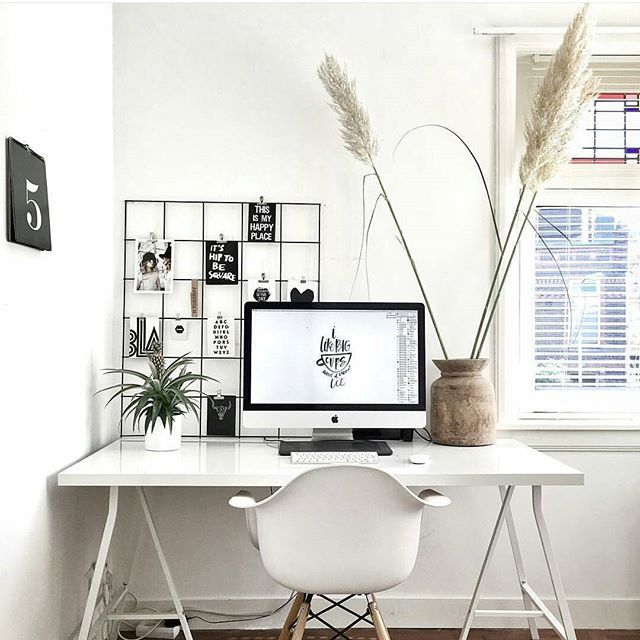
A Scandinavian design makes use of wooden elements not only in the flooring but also in the furniture and fixtures. Thus, a Scandinavian house usually has wooden coffee tables and chairs for its furniture.
The Scandinavians are well known for their use of wood throughout their homes, largely due to an appreciation for readily available natural materials, but also for the way in which it adds warmth to the space. Wooden flooring is a staple in Nordic interiors. The wood is often light in colour and used in all rooms.
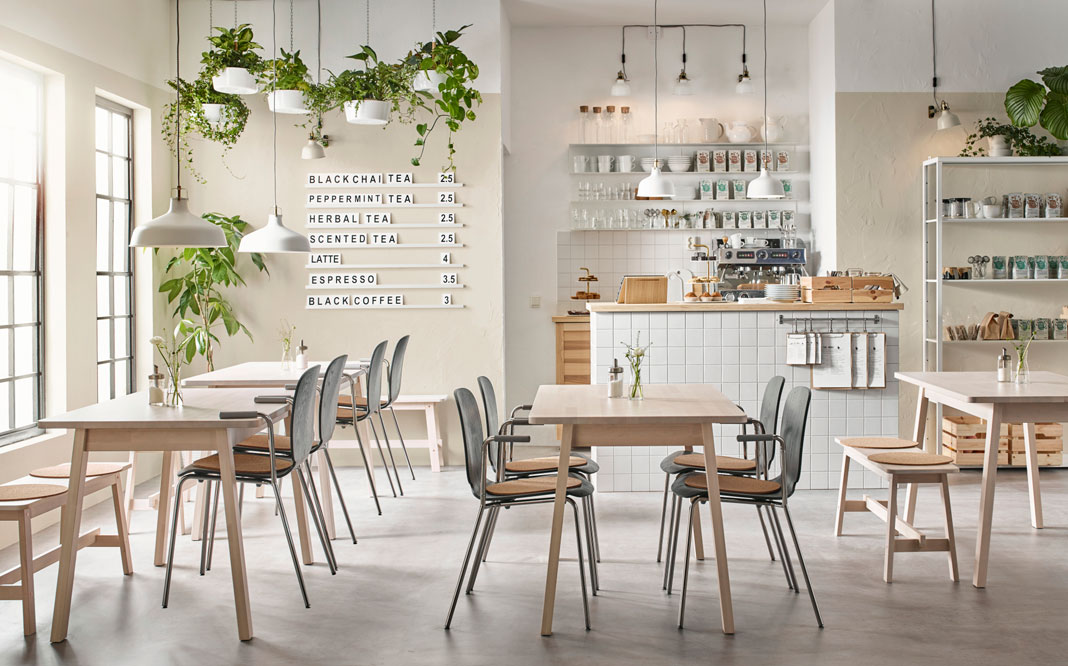
Pine, beech, and ash are by far the favorites of the Scandinavian architect. Stains and varnishes have generally kept the light in order to maintain a feeling of airiness.
Scandinavian design principles promote eco-friendly homes with organic, sustainable building materials for flooring, walls, siding and roofing.
The recent trend in the Scandinavian style of decorating combines the use of metallic finishes and wooden elements. For instance, copper sconces and brass pendants are installed in a wooden ceiling to add glimmer and shine to the entire space.
5) FRESH FLOWERS AND GREENERY :
Scandinavian interior design in order to have a living element of color and beauty. Plants, flowers, and other botanicals are used to brighten up spaces and breathe life into a room. These living elements offer a pop of color and add to the natural, minimalist essence of of Scandinavian design.

In the Scandinavian region, streets are often lined with sidewalk florists selling fresh flowers and tulips in every color.
Scandinavian design channels the outdoors through bright, natural lighting and lush greenery, so your backyard is the ideal space to embrace the style. Patios both big and small can adopt Scandinavian characteristics to transform the space into a minimalist haven.

For smaller patio spaces, look for an intimate wooden table and chair set. Add potted succulents or other low-maintenance greenery atop your table for a modest Scandinavian display.








 Tanya Decor